
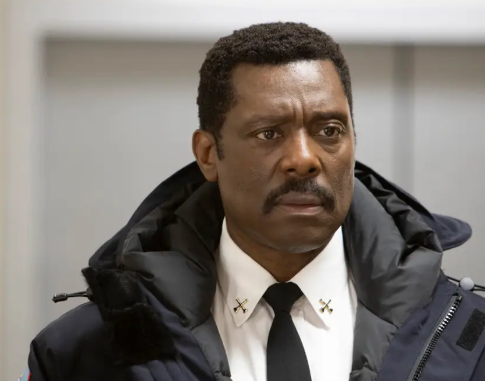
One Chicago Keeps Winning Despite Cast Changes and Surprising Exits
For over a decade, Wednesday nights on NBC have belonged to Dick Wolf’s powerhouse franchise: One Chicago. Comprising Chicago Fire, Chicago P.D., and Chicago Med, this interconnected universe has dominated prime-time television ratings, pulling in millions of live viewers week after week.
However, maintaining a television empire for over 10 years comes with a massive challenge: cast turnover.
From the shocking departure of Jesse Spencer (Matthew Casey) on Chicago Fire to Jesse Lee Soffer’s (Jay Halstead) exit from Chicago P.D., and the revolving door of doctors at Gaffney Chicago Medical Center, the franchise has lost some of its most foundational pillars. Yet, against all industry logic, the ratings haven’t plummeted. The franchise continues to win its timeslots and dominate streaming charts on Peacock.
How does One Chicago keep winning despite constant cast changes and surprising exits? Let’s dissect the formula behind network television’s most resilient franchise.
The Evolution of the One Chicago Universe
To understand why the franchise survives major exits, we must first look at its incredible scale. What started as a standalone drama with Chicago Fire in 2012 quickly expanded into a sprawling shared universe.
[Chicago Fire (2012)] ──> [Chicago P.D. (2014)] ──> [Chicago Med (2015)]
Today, these three shows operate as a single, massive 3-hour block of television. This unique structure creates a “mega-show” effect. Even if a viewer is frustrated by a cast change on Chicago Med, they are likely to stay tuned for Chicago Fire and Chicago P.D., keeping the audience locked into the NBC ecosystem.
Major Exits That Shook the Fandom
Every long-running procedural faces contract renegotiations and actors wanting to pursue new creative avenues. However, the One Chicago franchise has experienced some particularly devastating departures that felt, at the time, like death blows to the shows.
1. Chicago Fire: The Losses of Casey, Severide’s Absences, and Shay
Chicago Fire is the flagship, meaning its losses cut the deepest.
-
Leslie Shay (Lauren German): Her death in the Season 3 premiere proved that no one was safe, establishing high stakes early on.
-
Matthew Casey (Jesse Spencer): Leaving in the 200th episode, Spencer was the moral compass of Firehouse 51. Replacing him seemed impossible.
-
Kelly Severide (Taylor Kinney): Temporary leaves of absence from Taylor Kinney have tested the show’s ability to survive without its primary star power.
-
Chief Wallace Boden (Eamonn Walker): Stepping down as a series regular marked the end of an era for the leadership of Firehouse 51.
2. Chicago P.D.: The Departure of the Show’s Moral Anchors
Chicago P.D. is known for its gritty, dark tone, largely driven by Jason Beghe’s Hank Voight. But Voight needs a foil, and the show has lost its best ones.
-
Sophia Bush (Erin Lindsay): Her exit at the end of Season 4 reshaped the dynamic of the Intelligence Unit.
-
Jon Seda (Antonio Dawson): A veteran of the franchise whose exit removed a crucial ethical check on Voight’s rogue policing.
-
Jesse Lee Soffer (Jay Halstead): Halstead was the heir apparent to Intelligence. His abrupt exit to fight human trafficking in Bolivia left a massive void in the show’s romantic and professional core.
-
Tracy Spiridakos (Hailey Upton): Her departure further stripped the Intelligence Unit of its veteran leadership.
3. Chicago Med: The Revolving Door of Gaffney Medical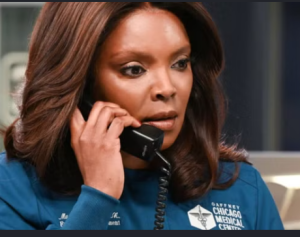
Chicago Med has experienced the highest volume of cast turnover in the shortest amount of time.
-
Colin Donnell (Dr. Connor Rhodes) & Norma Kuhling (Dr. Ava Bekker): A dramatic exit storyline that concluded with a shocking suicide and a departure.
-
Yaya DaCosta (April Sexton) & Torrey DeVitto (Dr. Natalie Manning): Both left simultaneously, stripping the medical drama of its primary romantic leads.
-
Nick Gehlfuss (Dr. Will Halstead): As the central protagonist since Season 1, Will’s exit in the Season 8 finale felt like the ultimate test of the show’s survival.
Why One Chicago Keeps Winning: The Blueprint of Success
Despite losing actors who were featured heavily on the promotional posters, the One Chicago ratings remain remarkably stable. Here is the strategic blueprint Dick Wolf and NBC use to keep audiences hooked.
1. The “Brand Over Star” Philosophy
The ultimate secret to the One Chicago franchise is that the uniform is the star.
In Chicago Fire, the true main character is Firehouse 51. In Chicago P.D., it is the Intelligence Unit. In Chicago Med, it is the ED. Dick Wolf’s production model treats characters as cogs in a beautifully designed machine. When a character leaves, the institution remains. The audience’s loyalty lies with the job, the pressure, and the legacy of the badge or the scrubs, rather than any individual actor.
2. The Masterclass of Next-Man-Up Casting
When an icon leaves, the casting directors don’t try to replicate them; they inject fresh blood that changes the internal dynamics.
| Show | Departed Character | Replacement/New Dynamic | Impact on Storyline |
| Chicago Fire | Matthew Casey | Jason Pelham / Stella Kidd | Allowed Stella to step up into leadership, creating a powerful female-led dynamic. |
| Chicago P.D. | Jay Halstead | Dante Torres (Benjamin Levy Aguilar) | Introduced a raw, street-smart perspective that clashed beautifully with Voight. |
| Chicago Med | Will Halstead | Dr. Mitch Ripley (Luke Mitchell) | Brought a dark, mysterious past that challenged Dr. Charles. |
By bringing in characters with entirely different backgrounds, flaws, and worldviews, the writers avoid the trap of creating “budget versions” of old favorites.
3. The Power of the Seamless Crossover
The One Chicago universe pioneered the modern TV crossover. Characters routinely walk into each other’s shows to grab a drink at Molly’s Pub, consult on a medical case, or hand over a suspect.
This constant cross-pollination builds a deep sense of familiarity. If a viewer is introduced to a new dynamic on Fire, they see it reinforced on P.D. an hour later. The shared universe acts as a safety net; even if one show is transitioning through a rough patch of cast changes, the other two pull the weight.
4. Relatable, High-Stakes Storytelling
At its core, One Chicago delivers blue-collar escapism. The heroes are everyday working-class people—firefighters, cops, nurses, and doctors—who put their lives on the line. The stakes are naturally baked into the premises: a building is burning, a shooter is loose, a patient is dying.
Because the narrative engine relies on life-and-death stakes, the emotional investment from the audience remains incredibly high, regardless of who is holding the jaws of life or the scalpel.
How One Chicago Handles the “Creative Refresh”
Long-running shows often suffer from creative stagnation. Characters get married, settle down, and resolve their traumas, leaving writers with fewer places to go.
Paradoxically, cast exits force a creative refresh.
When Jesse Lee Soffer left Chicago P.D., it forced Hailey Upton (Tracy Spiridakos) into a spiral of grief and isolation, providing some of the strongest psychological storytelling the show had seen in years. When Casey left Chicago Fire, it forced Brett to navigate long-distance romance and independence, while allowing Severide to step up as the undisputed mentor of the house.
Instead of breaking the shows, these departures act as a forced evolution, preventing the narratives from becoming stale soap operas.
The Economics of Cast Changes in Modern TV
There is also a pragmatic, industry-focused reason behind these changes: the economics of broadcast television.
As a show ages, veteran actors become increasingly expensive due to standard contract escalations. In an era where linear television budgets are being slashed due to streaming competition, replacing highly paid veterans with younger, hungrier talent is a financial necessity.
By managing these exits gracefully, Wolf Entertainment keeps production costs sustainable while maintaining high production values for special effects, stunts, and on-location filming in Chicago. The savings on talent salaries are poured back into the explosive action sequences that fans expect.
What the Future Holds for One Chicago
As we look ahead, the One Chicago universe shows no signs of slowing down. NBC continues to renew the shows, confident in their ability to anchor the network’s linear ratings and drive massive engagement on Peacock the following day.
The franchise has successfully built a self-sustaining ecosystem. It has proven that it can survive the loss of its romantic leads, its captains, and its moral centers. As long as the emergency sirens wail over the windy city, viewers will be there to watch.
Key Takeaways for the Television Industry:
-
IP is King: The franchise brand is more resilient than individual celebrity star power.
-
Embrace the Pivot: Use cast departures to break old narrative habits and introduce diverse perspectives.
-
Value the Universe: Shared universes build unmatched audience retention across linear and streaming platforms.
One Chicago keeps winning because it understands exactly what it is: a thrilling, emotional tribute to first responders. Characters may come and go, but the heart of Chicago remains undefeated.